
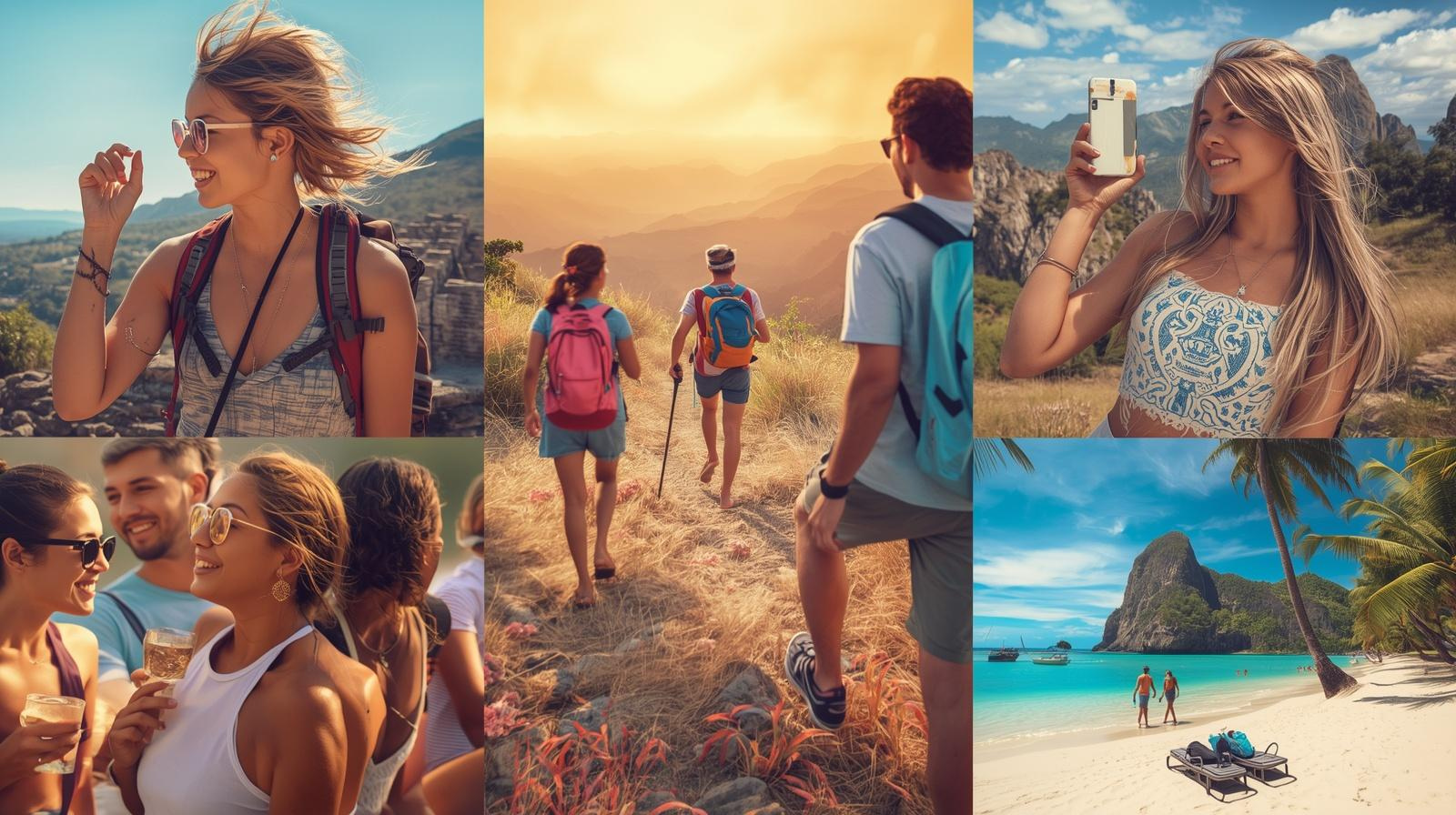
In a world filled with packaged tours and curated social media feeds, it has never been more vital to create your own best travel experiences. Stepping away from the traditional, one-size-fits-all holiday allows you to tailor a journey that resonates deeply with your personal interests, pace, and values. Whether you are seeking adventure, cultural immersion, or simply a quiet retreat, mastering the art of independent travel design is the key to unlocking truly memorable adventures.
This comprehensive guide will walk you through the essential steps to curating a bespoke itinerary. From initial inspiration to navigating local transport, we will explore how to craft a trip that is not only fulfilling but also responsible and sustainable.
1. Budgeting for Your Trip
The foundation of any great journey is a realistic budget. Before you let your imagination run wild, determine how much you are willing to spend. A well-planned budget reduces stress and ensures you can enjoy your trip without financial worry.
- Break it down: Allocate funds for flights, accommodation, daily expenses (food, transport), activities, and an emergency buffer.
- Track expenses: Use travel budgeting apps to monitor your spending on the go.
- Prioritise: Decide what matters most to you. Are you happy to sleep in a modest hostel if it means you can afford a world-class dining experience?
2. Choosing Your Destination
Selecting the right destination is crucial when you want to create your own best travel experiences. Consider what you want to achieve from your holiday. Are you looking to disconnect, learn a new skill, or explore a specific period in history?
- Look beyond the obvious: Second cities often offer similar cultural richness to capitals but with fewer crowds and lower costs.
- Match the destination to your interests: If you love hiking, consider the Dolomites rather than a flat coastal resort.
3. Timing Your Travel
When you travel is just as important as where you travel. The season can dramatically alter your experience of a place.
- Shoulder seasons: Travelling just before or after the peak tourist season often provides the best balance of good weather, manageable crowds, and lower prices.
- Local events: Research local festivals. They can provide an incredible cultural experience, but they can also inflate prices and reduce accommodation availability.
Ready to Secure Your Activities?
Don't leave your itinerary to chance. Book your museum entries, guided tours, and unique experiences in advance to skip the queues.
4. Booking Tickets and Attractions
Spontaneity is wonderful, but certain attractions require advance planning to avoid disappointment. Popular museums and historical sites frequently sell out weeks in advance.
- Skip the line: Pre-booking often allows you to bypass hours of queuing.
- Combination tickets: Look for city passes that bundle multiple attractions for a reduced rate.
5. Local Transport Options
Navigating a new city like a local is a rewarding challenge. Public transport is usually the most cost-effective and environmentally friendly way to get around.
- Travel cards: Investigate multi-day transit passes.
- Cycling and walking: The best way to understand the geography and vibe of a city is under your own steam.
6. Safety Considerations
While creating your own itinerary offers freedom, it also requires vigilance. Researching the safety profile of your destination is essential.
- Local scams: Familiarise yourself with common tourist scams in the area.
- Travel insurance: Never travel without comprehensive insurance that covers health, cancellations, and lost belongings.
7. Accessibility for All Travellers
Travel should be accessible to everyone. If you or your travel companions have specific accessibility needs, thorough research is paramount.
- Contact venues directly: Websites are not always up-to-date regarding lift access or accessible facilities.
- Specialist tour operators: Consider using companies that specialise in accessible travel for complex itineraries.
8. Sustainable and Responsible Travel Choices
To truly create your own best travel experiences, you must consider your impact on the destination. Sustainable travel ensures that the places we love remain vibrant for future generations.
- Support local: Eat at independent restaurants, stay in locally owned guesthouses, and buy souvenirs directly from artisans.
- Reduce plastic: Carry a reusable water bottle, coffee cup, and shopping bag.
- Respect the culture: Dress appropriately for religious sites and learn a few basic phrases in the local language.
9. Avoiding Tourist Traps
Authenticity is often found just a few streets away from the main attractions.
- Eat where the locals eat: Avoid restaurants with menus translated into ten languages or staff touting outside.
- Seek recommendations: Ask your accommodation host or use local blogs rather than relying solely on major review sites.
10. Creating a Flexible Itinerary
Finally, the secret to a great trip is flexibility. While it is important to have a plan, over-scheduling leads to burnout.
- Leave blank spaces: Allow time for serendipity—a long lunch, an unexpected museum, or simply watching the world go by in a local square.
- Embrace the detours: Sometimes the best experiences are the ones you didn't plan for.
Start Building Your Itinerary
Find inspiration, read reviews, and secure your tickets to the world's most incredible cultural experiences.
Frequently Asked Questions
How far in advance should I book attractions?
For major landmarks (like the Colosseum or the Eiffel Tower), it is advisable to book at least 4-6 weeks in advance, especially during the summer months. For less prominent museums, a few days is usually sufficient.
What's the best way to find local transport information?
Use apps like Citymapper or Google Maps for real-time transit data. Additionally, checking the official transit authority website of your destination city will provide the most accurate information on multi-day passes and fares.
How can I travel sustainably?
Opt for trains over short-haul flights, support local businesses, reduce single-use plastics, and respect local customs and wildlife. Travelling slowly and spending more time in fewer places also significantly reduces your carbon footprint.
Is it cheaper to book flights early or last minute?
Generally, booking 2-3 months in advance offers the best balance of price and availability. Last-minute deals do exist, but they require extreme flexibility regarding your destination and travel dates.
How much cash should I carry?
This varies wildly by destination. While many Northern European countries are nearly cashless, parts of Southern and Eastern Europe still rely heavily on cash for small purchases. Always carry a small amount of local currency for emergencies and tipping.